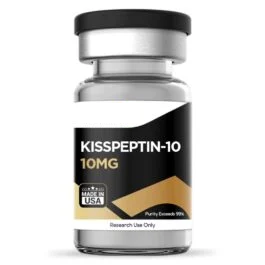
Kisspeptin-10 (10mg)
$59.85
Size: 10mg
Contents: Kisspeptin-10 (10mg)
Form: Lyophilized powder
Purity: >99%
SKU: P-KISSPEPT-10
FREE Shipping on $200+ orders
Buy Kisspeptin-10 Peptide Online a research peptide derived from the KISS1 gene, studied for its role in GnRH signaling and hormonal regulation. Widely used in neuroendocrine and reproductive research models.
Kisspeptin-10 Peptide – Advanced Research Compound
Overview
Buy Kisspeptin-10 Peptide Online a biologically active peptide derived from the KISS1 gene, a gene initially studied for its role in regulating abnormal cell growth. Over time, research has shifted toward its broader significance in neuroendocrine signaling, particularly its interaction with the reproductive axis.
Buy Kisspeptin-10 peptide online today and access a high-purity research compound designed for advanced endocrine and neurobiology studies.
This peptide represents a shorter active fragment of the larger kisspeptin protein and has been widely explored for its ability to interact with the KISS1 receptor (GPR54). Through this interaction, Kisspeptin-10 is believed to play a central role in signaling pathways that influence hormone regulation and hypothalamic-pituitary activity.
Its growing relevance in research stems from its potential to act as a key upstream regulator of reproductive hormone release.
Chemical Profile of Kisspeptin-10 for Sale
- Molecular Formula: C₆₃H₈₃N₁₇O₁₄
- Molecular Weight: 1302.4 g/mol
- Other Names: Kisspeptin 45-54
Mechanism of Action
Kisspeptin-10 is thought to bind to the GPR54 receptor, triggering intracellular signaling cascades that may activate neurons responsible for releasing gonadotropin-releasing hormone (GnRH).
This activation may lead to:
- Increased GnRH signaling
- Stimulation of luteinizing hormone (LH) and follicle-stimulating hormone (FSH)
- Modulation of the hypothalamic-pituitary-gonadal (HPG) axis
By acting upstream in this pathway, Kisspeptin-10 is considered a key signaling peptide in endocrine research.
Key Research Insights Before You Buy Kisspeptin-10 Peptide Online
Reproductive Hormone Regulation
Multiple studies suggest Kisspeptin-10 may play a role in regulating reproductive hormones by influencing GnRH release.
Research observations include:
- Increased LH levels in certain experimental models
- Stimulation of gonadotropin signaling pathways
- Potential involvement in conditions linked to hormonal imbalance
This positions Kisspeptin-10 as a valuable compound for studying reproductive endocrinology.
Hypothalamic-Pituitary Axis Activity
Kisspeptin-10 appears to function at the level of the hypothalamus and pituitary, making it relevant for research into:
- Hormonal signaling pathways
- Pituitary responsiveness
- Neuroendocrine regulation
Some experimental findings suggest that varying concentrations may either stimulate or suppress this axis, indicating dose-dependent effects.
Neurobehavioral & Limbic System Research
Emerging studies indicate that Kisspeptin-10 may influence brain regions linked to emotion and behavior.
Observed effects in experimental models include:
- Increased activity in limbic brain regions
- Altered response to bonding and reproductive stimuli
These findings suggest a possible connection between hormonal signaling and behavioral responses.
Appetite & Metabolic Signaling
Due to its presence in key brain regions, Kisspeptin-10 has been explored for its potential role in appetite regulation.
Research suggests it may:
- Influence feeding patterns and meal frequency
- Interact with neuropeptides involved in hunger signaling
- Modulate neurotransmitters such as dopamine and serotonin
This highlights its broader relevance beyond reproductive research.
Neuroprotective Research Potential
Recent studies have explored Kisspeptin-10 in models of neuronal stress and degeneration.
Preliminary findings suggest it may:
- Interact with amyloid-related proteins
- Reduce markers of neuronal damage in certain models
- Support cellular stability under stress conditions
These insights are driving interest in neurological and cognitive research applications.
Why Researchers Choose Kisspeptin-10
- Targets a key receptor (GPR54) in hormonal signaling
- Central role in GnRH and reproductive axis research
- Multi-functional peptide with neurological and metabolic relevance
- Widely studied in endocrine and neurobiology models
Final Note
Kisspeptin-10 for Sale here continues to gain attention as a critical signaling peptide linking the brain and endocrine system. Its ability to influence upstream hormonal pathways makes it a powerful tool for advanced research applications.
Related products

Longevity & Cellular Health
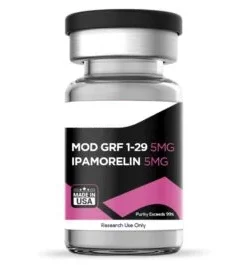
Muscle Growth & Performance Peptides
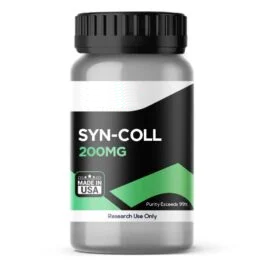
Anti-Aging & Skin Peptides
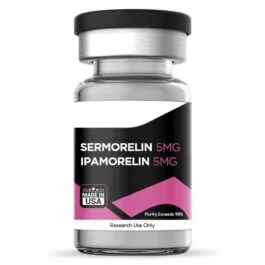
Muscle Growth & Performance Peptides
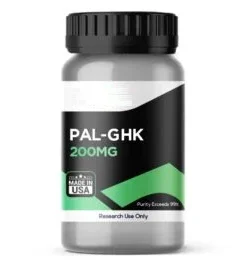
Anti-Aging & Skin Peptides
Anti-Aging & Skin Peptides
Longevity & Cellular Health
Anti-Aging & Skin Peptides